top of page

C92200 (SAE 622) Tin Bronze
CDA 922, CA92200, SAE 622, NAVY M BRONZE, 88-6-2-4, ASTM B505, ASTM B271, QQ-C-390 B, TYPE 1, TYPE 2, TYPE 3, ASTM B61,  ASTM B143-2A, SAE J461, SAE J462, MIL-B11553 COMP 1, MIL-B 16541, ALLOY D4

The values listed above represent reasonable approximations suitable for general engineering use. Due to commercial variations in composition and to manufacturing limitations, they should not be used for specification purposes. See applicable ASTM specification references. 


C92200 (SAE 622) Navy M Tin Bronze is a high-grade steam-metal or valve-bronze alloy used for component castings of valves, flanges, and fittings. This alloy can be used for a variety of steam pressure applications involving temperatures up to 550F. C92200 (SAE 622) Navy M Bronze conforms to continuous cast specification ASTM B505 and centrifugal cast specification ASTM B271.


C92200 (SAE 622) Bronze applications include valves, fittings, Medium-pressure hydraulic and steam pressure parts for use up to 550 F (287 C)
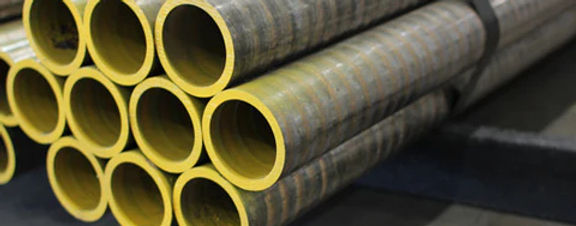
C92200 Bronze_edited.jpg

REQUEST FOR QUOTE

What's Driving
Metal Prices

Factors creating the on-going surge in copper prices and base metal prices.

The U.S. imposed a 50% Section 232 tariff on the copper content of semi-finished and derivative copper products, effective August 1, 2025. These tariffs aim to bolster domestic production but create complexities for businesses in pricing, sourcing, and compliance, affecting global copper markets. 

In addition copper costs are soaring due to massive demand from the energy transition (EVs, renewables, grid) and AI data centers colliding with slow mine supply growth, production disruptions (labor, technical issues), aging mines, and government policies like tariffs, creating a structural supply deficit. 

Tin prices jumped to a record level due to a severe, ongoing global supply squeeze from mine disruptions (DRC, Myanmar, Indonesia) and increasing demand driven by its critical role in electronics (solder), green energy tech, and packaging, creating a significant market deficit and attracting speculative investment. Supply chain issues, including export permit delays and political instability in key producing regions, combined with growing recognition of tin's necessity for the energy transition, fueled a rally to multi-year highs in late 2025 and early 2026. 

Nickel prices are rising due to anticipated supply cuts from major producer Indonesia, tighter quotas, increased demand from stainless steel and EV battery sectors (despite some LFP shifts), speculative buying, and broader market strength in metals, with investors reacting to policy signals and potential disruptions.

bottom of page